

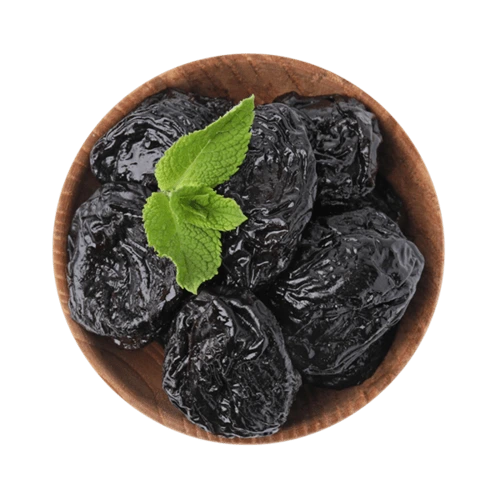
Dried Plum
Dried plum is one of the most distinctive products of Serbia’s fruit-growing heritage and a food product with strong and lasting market potential. Its value lies not only in tradition, but also in its relevance to modern markets, its wide range of applications, and its recognition among buyers across different regions.
Naturally sweet, practical, and versatile, dried plum successfully connects traditional origin with contemporary consumer demand. It is widely used in retail, food manufacturing, and a variety of finished-product applications, making it a product with significant commercial flexibility.
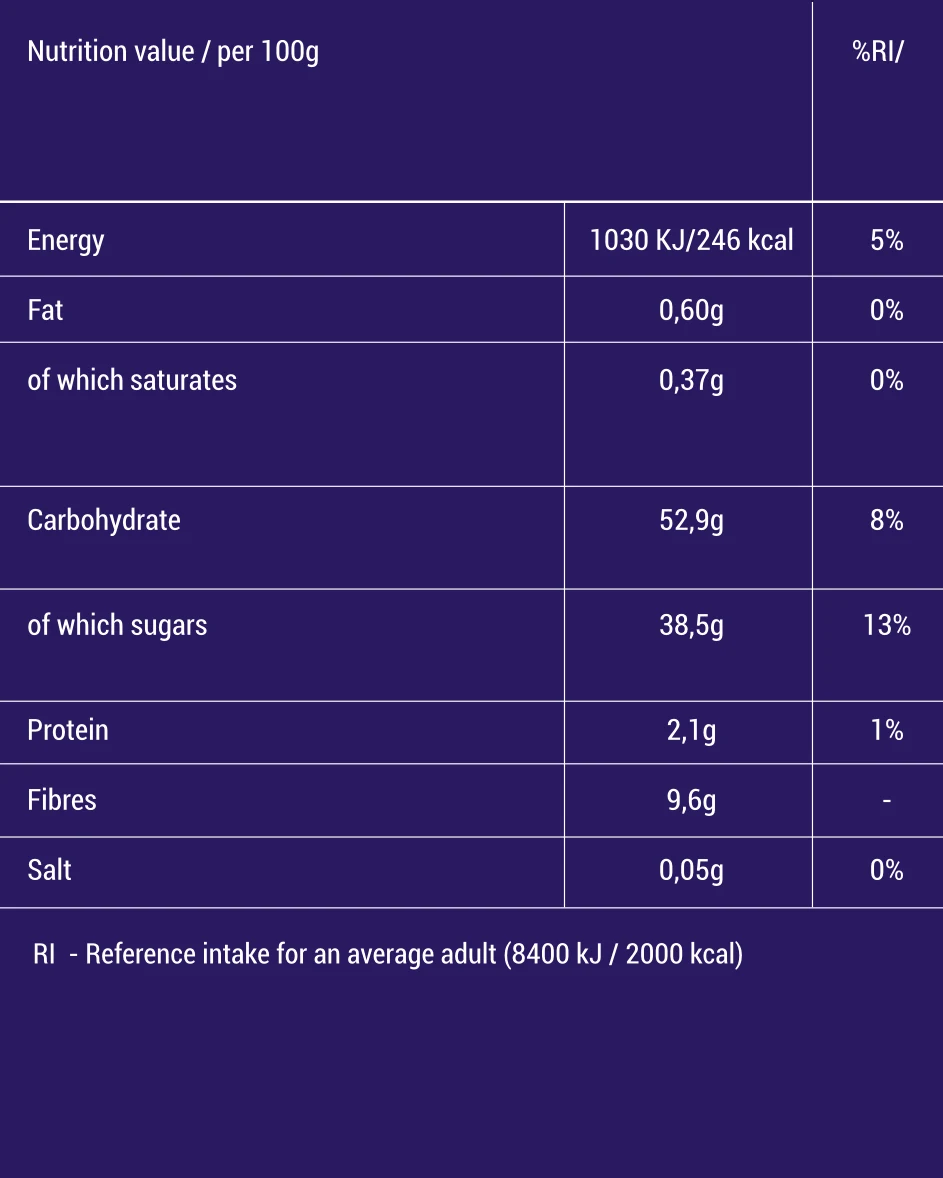
Dried plum is naturally sweet and has:
• Fiber (whole gram per plum)
• Vitamins A, B, C and E
• Potassium
• Magnesium
• Iron
What dried plums don't have is also important:
• They don't have fats
• They don't have sodium
• They don't have cholesterol
From a nutritional perspective, dried plum is valued for containing dietary fibre, potassium, and other naturally occurring components, which continue to support its relevance in modern diets and consumer interest.
Its market strength is reflected in:
- broad application across multiple sales channels
- suitability for different packaging formats
- strong acceptance in both domestic and export markets
- potential for further product development and portfolio diversification
For Jovanović Voće, dried plum is more than our core product. It represents a combination of origin, experience, technology, and market opportunity — a product on which we build long-term value and lasting partnerships.

Blood sugar
Despite the high content of carbohydrates and sweet taste, dry plums have a low glycemic index that can help those with diabetes.

Potassium
Dried plums contain potassium, which, together with sodium and chloride, helps maintain the proper electrical balance in the cells and body fluids, and regulates the nerves and muscles.

Cardiovascular health
Dry plums are full of phenolic compounds-the same class of potent antioxidants is found in berries, red wine and green tea-which prevent the oxidation of LDL (harmful) cholesterol, and can reduce the risk of heart disease.